AI & IoT Unihiker K10 + M10 Kit
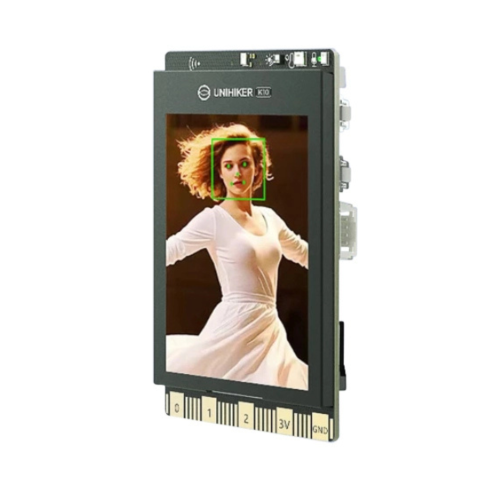
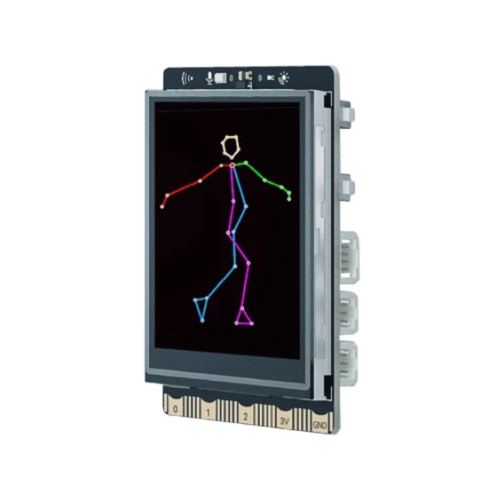
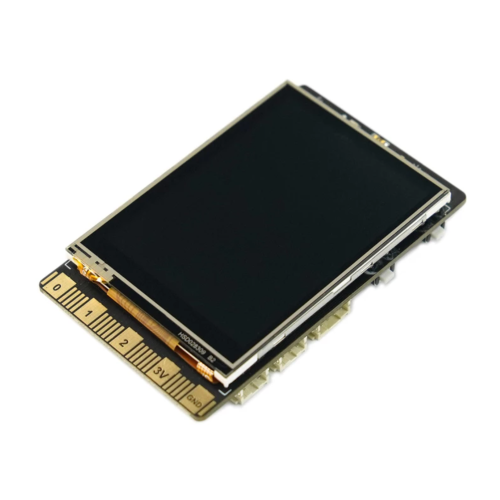
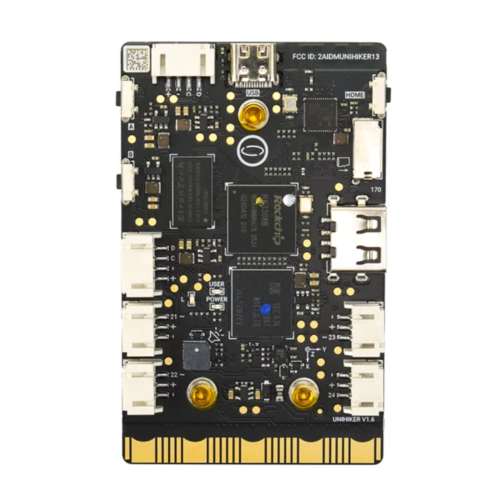
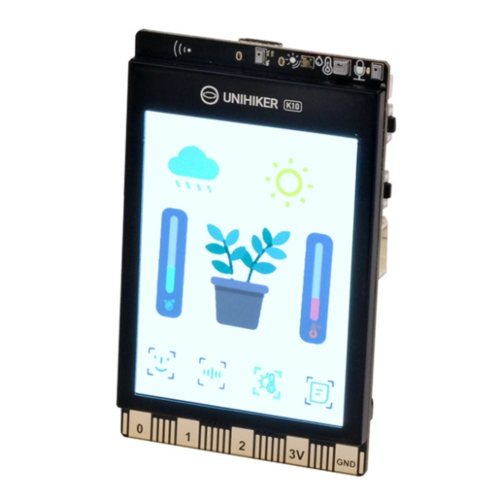
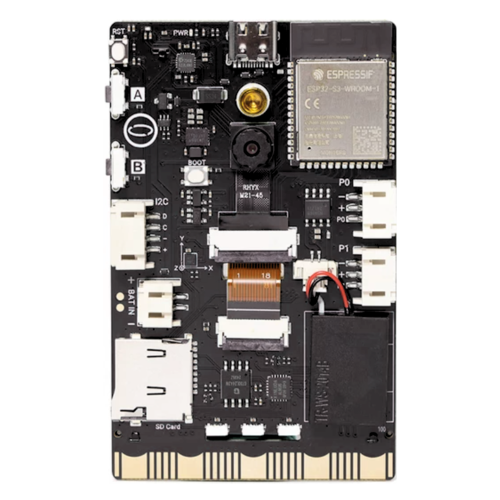
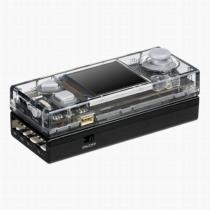
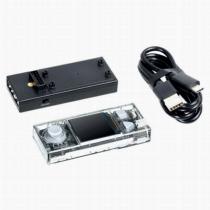
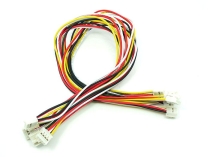
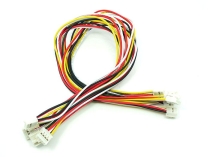
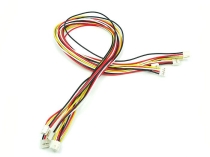
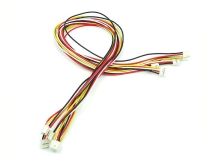
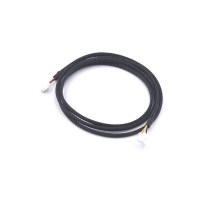
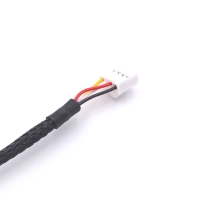
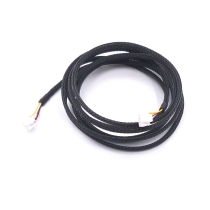
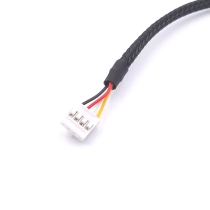
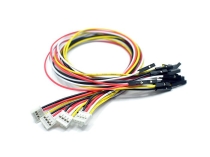
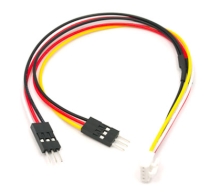
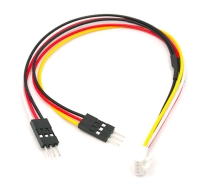
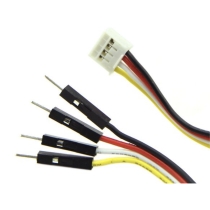
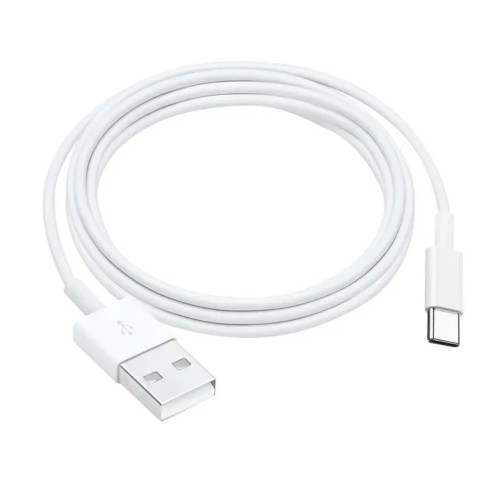
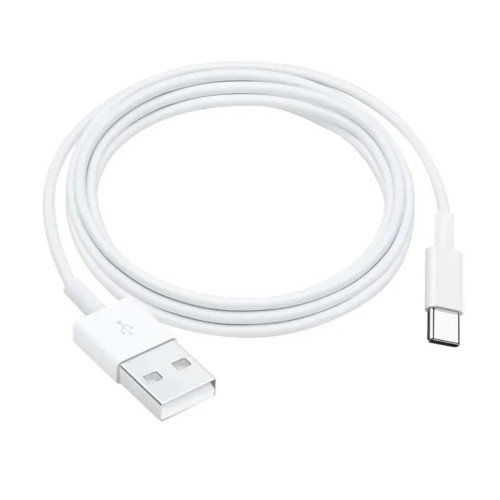
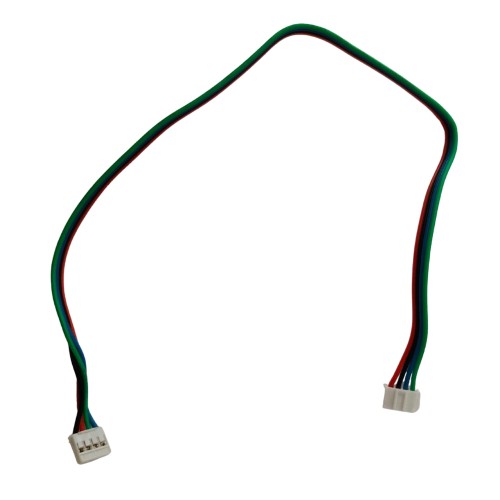
<<p><p>Discover the DFRobot UNIHIKER K10 + M10 kit, two complementary boards for learning programming, artificial intelligence, and IoT, from block-based coding to Python.</p></p><p><p><b>Features</b></p></p><p><p>The DFRobot UNIHIKER K10 + M10 kit brings together two complementary development boards designed to introduce users to programming, artificial intelligence (AI), and the Internet of Things (IoT). Ideal for education and prototyping, it provides a progressive learning experience, from visual programming to advanced projects involving Python, machine learning, and connected devices.</p></p><p><p>The UNIHIKER K10 board offers an accessible introduction to artificial intelligence, particularly for students aged 8 and above. Equipped with an ESP32-S3 microcontroller, a color display, a camera, and numerous built-in sensors, it enables users to quickly create interactive projects. Its pre-installed AI models provide features such as image recognition, face detection, QR code recognition, motion detection, and offline voice recognition.</p></p><p><p>With the Mind+ programming environment, users can program the K10 using blocks and gradually discover the MicroPython language. Its built-in components make it easy to carry out educational activities without requiring numerous additional accessories.</p></p><p><p>The UNIHIKER M10 board takes programming and intelligent system development further. As a compact computer running Debian Linux, it features a quad-core ARM Cortex-A35 processor, a touchscreen, and multiple communication interfaces. It supports Python programming and development tools such as Jupyter Notebook, Thonny, and VS Code.</p></p><p><p>The M10 is particularly suitable for data collection and analysis, IoT application development, device-to-device communication, and machine learning experiments. It can also be used to create data visualization interfaces and communicate with connected services using protocols such as MQTT.</p></p><p><p>By combining these two boards, the kit allows users to:</p></p><p><ul></p><p><li>Discover block-based programming with Mind+ and progress to Python.</li></p><p><li>Experiment with image recognition, face detection, and voice commands.</li></p><p><li>Collect and analyze environmental data using sensors.</li></p><p><li>Create connected devices communicating via Wi-Fi or Bluetooth.</li></p><p><li>Develop robotics and smart home automation projects.</li></p><p><li>Explore machine learning principles and embedded AI.</li></p><p><li>Design dashboards and connected IoT applications.</li></p><p></ul></p><p><p>Both boards feature micro:bit-style edge connectors and ports compatible with DFRobot Gravity modules, making it easy to add external sensors, actuators, and electronic components. Compatibility with micro:bit accessories should be checked according to their functions and operating voltages.</p></p><p><p>This kit provides a scalable solution for schools, programming workshops, and robotics projects, guiding users from their first AI experiments to the development of more advanced connected applications.</p></p><p><p><b>Technical specifications</b></p></p><p><p>UNIHIKER K10:</p></p><p><ul></p><p><li>Microcontroller: ESP32-S3, dual-core Xtensa LX7 processor at 240 MHz</li></p><p><li>SRAM: 512 KB</li></p><p><li>PSRAM: 8 MB</li></p><p><li>Flash memory: 16 MB</li></p><p><li>Color display: 2.8 inches, 240 × 320 pixel resolution</li></p><p><li>Built-in camera: 2 megapixels</li></p><p><li>Wireless connectivity: 2.4 GHz Wi-Fi and Bluetooth 5.0</li></p><p><li>Built-in sensors: temperature, humidity, ambient light, and 3-axis accelerometer</li></p><p><li>Built-in inputs and outputs: 2 push buttons (A and B), 2 MEMS microphones, 3 RGB LEDs, and a 2 W speaker</li></p><p><li>Pre-installed AI features: face detection, image recognition, cat and dog recognition, QR code scanning, motion detection, and offline voice recognition</li></p><p><li>Programming: Mind+ (block-based programming) and MicroPython</li></p><p><li>Interfaces: USB Type-C, microSD card slot, edge connector, 1 Gravity I2C port (4-pin), and 2 Gravity GPIO ports (3-pin)</li></p><p><li>Power supply: 5 V via USB Type-C or 3.7 V LiPo battery (not included)</li></p><p><li>Dimensions: 51.6 × 83 × 11 mm</li></p><p><li>Weight: not specified</li></p><p></ul></p><p><p>UNIHIKER M10:</p></p><p><ul></p><p><li>Main processor: quad-core ARM Cortex-A35 up to 1.2 GHz</li></p><p><li>Coprocessor: GD32VF103 RISC-V at 108 MHz</li></p><p><li>RAM: 512 MB</li></p><p><li>Internal storage: 16 GB</li></p><p><li>Operating system: Debian Linux</li></p><p><li>Color touchscreen: 2.8 inches, 240 × 320 pixel resolution</li></p><p><li>Wireless connectivity: 2.4 GHz Wi-Fi and Bluetooth 4.0</li></p><p><li>Built-in sensors: ambient light, 3-axis accelerometer, and 3-axis gyroscope</li></p><p><li>Built-in inputs and outputs: Home, A, and B buttons, microphone, blue LED, and passive buzzer</li></p><p><li>Programming: Python, with support for tools such as Jupyter Notebook, Thonny, and VS Code</li></p><p><li>Interfaces: USB Type-C, USB Type-A, microSD card slot, edge connector, and Gravity ports (3-pin and 4-pin)</li></p><p><li>Communication protocols: I2C, UART, SPI, and GPIO</li></p><p><li>Power supply: 5 V / 2 A via USB Type-C</li></p><p><li>Dimensions: 51.6 × 83 × 13 mm</li></p><p><li>Weight: not specified</li></p><p></ul></p><p><p>Kit contents:</p></p><p><ul></p><p><li>1 UNIHIKER K10 board</li></p><p><li>1 UNIHIKER M10 board</li></p><p><li>2 USB Type-C cables</li></p><p><li>4 Gravity PH2.0 3-pin cables (20 cm)</li></p><p><li>2 Gravity PH2.0 4-pin cables (20 cm)</li></p><p></ul></p><p><p>Manufacturer reference: DFR0992-EN-1</p></p>>
<DFR0992-EN-1>